
How parents park car can kill their child
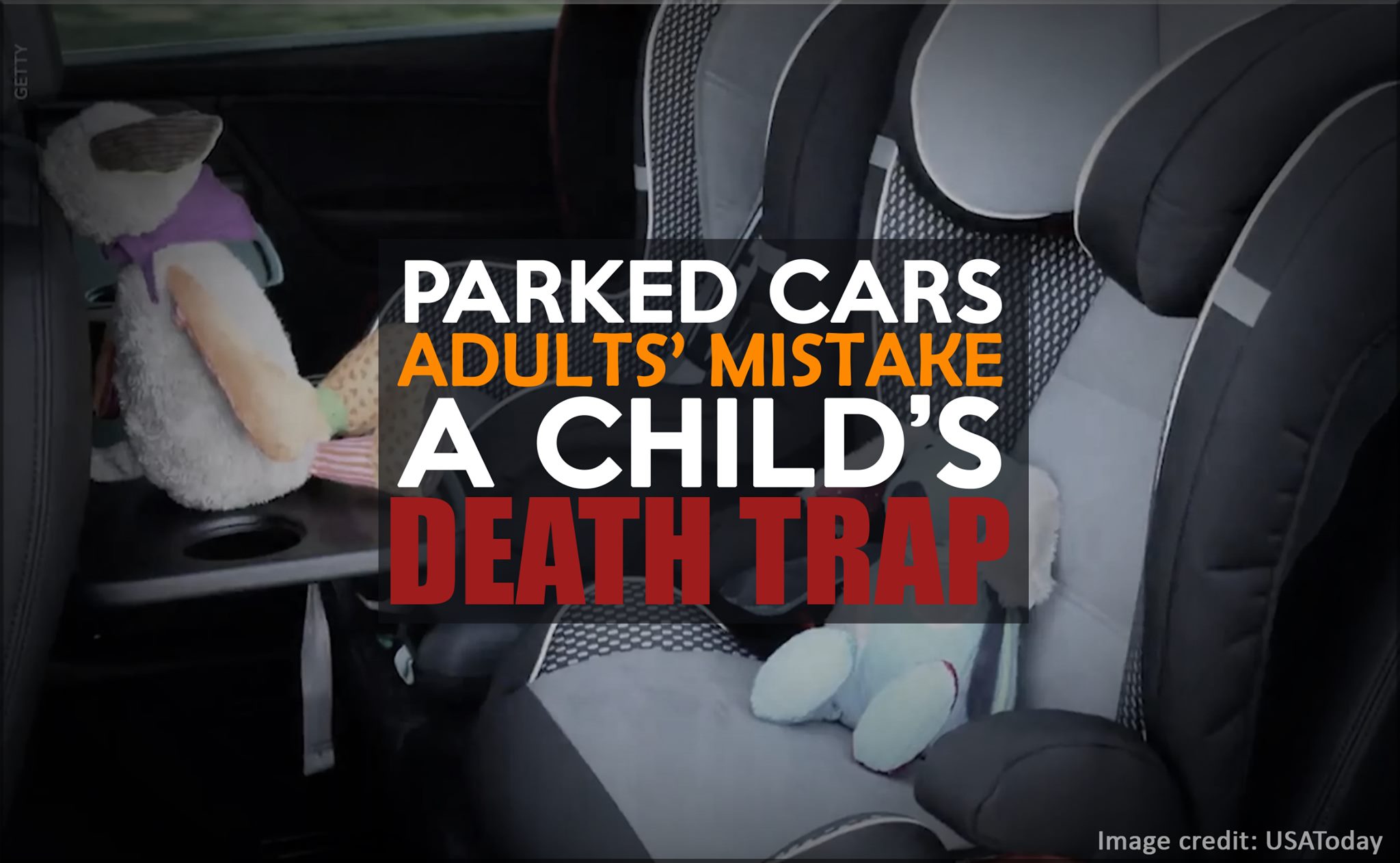
Long was a six-year-old elementary school student in Ha Noi who, like many others of his age, is entering school season. Saying goodbye to his mom and dad, he was seated in a pick-up van run by the school where he studied. At around 7:30 AM, the van arrived at the school’s parking lot, dropping off the students. All, except from Long, got off for class. Perhaps Long was asleep since he did not come out of his transport. However, his sudden disappearance went unnoticed to the school staffs and teachers until 3:30 PM. This is when the kids usually gather to be taken home. At this point, the driver and the staff went to open the door on their van, and to their surprise: they saw Long. Long was not breathing, his heart not beating, his pupils dilating. Long was indeed, gone.
This is not the only case ever in existence, in which children are left behind in cars or buses only to be found dead hours later. In the U.S, around 35-40 cases of death relating to kids trapped inside vehicles happen every year. In most cases, what happens is that the child would be asleep in the backseat, and the parent thinks that they have dropped the kid at their school, kindergarten, baby sitter’s, etc. They drive to work, park their car as per usual, and forget all about it until it is too late. In other cases, mistakes are made by parents running an errand to the supermarket for grocery, then getting caught up in shopping.
So why is it dangerous to leave a child in a car? From a scientific standpoint, the body of a child is a lot different from that of a grown human being. For adults, their body temperature remains fairly constant regardless of the surroundings. Sauna (steam bath) is a common therapy for stress-relief, and is also claimed to filter toxins off of the human body by making them sweat a lot. Although you should not spend too much time in the sauna at a time, it is generally safe for adults to steam bath.
This is not the case for children, whose bodies absorb heat five to six times faster than grown-ups. As cars are often left outside in the sun, the temperature inside a vehicle can shoot up by 8OC in just ten minutes, even if the air-conditioner remains on. On a chilly day, if left in parked cars, children can still be exposed to heat stroke since their bodies have to work around the clock to cool off. Neurological dysfunction, nausea, and seizure will be the first symptoms, followed by hyperthermia (increase in body temperature as it fails to cool off), dehydration, cardiac arrhythmias, and finally, death. As for comparison, a pro-longed period of being in a parked car for young children is similar to a walk across the dessert for human adults.
As devastating the effect of such accidents can be, they are often easily-preventable. As for adults, they need to learn the habit of honking right before they get off their vehicles. This is to wake up anybody (including other adults) who might be dozing off from a long ride. Another thing to do is to walk to the backseat to check if there is anyone who might still be having a good sleep. The best way to prevent these accidents from happening is to equip the child with adequate knowledge on what to do in case they are in such a death trap. Most modern vehicles have buttons to open the door on the inner side of the door itself. Teaching children how to push this button is a good way to help them prepare for unwanted events. For schools or organizations involving children, pairing them with one another and ask them to make sure the other one stay in their sight the whole time is also a great solution to the problem.